for a long time, ai felt like a magic trick.
you typed a prompt, got a surprising answer, shared a screenshot, and moved on.
in 2026, that phase is over.
the real shift now is simple: ai is becoming infrastructure, not a novelty.
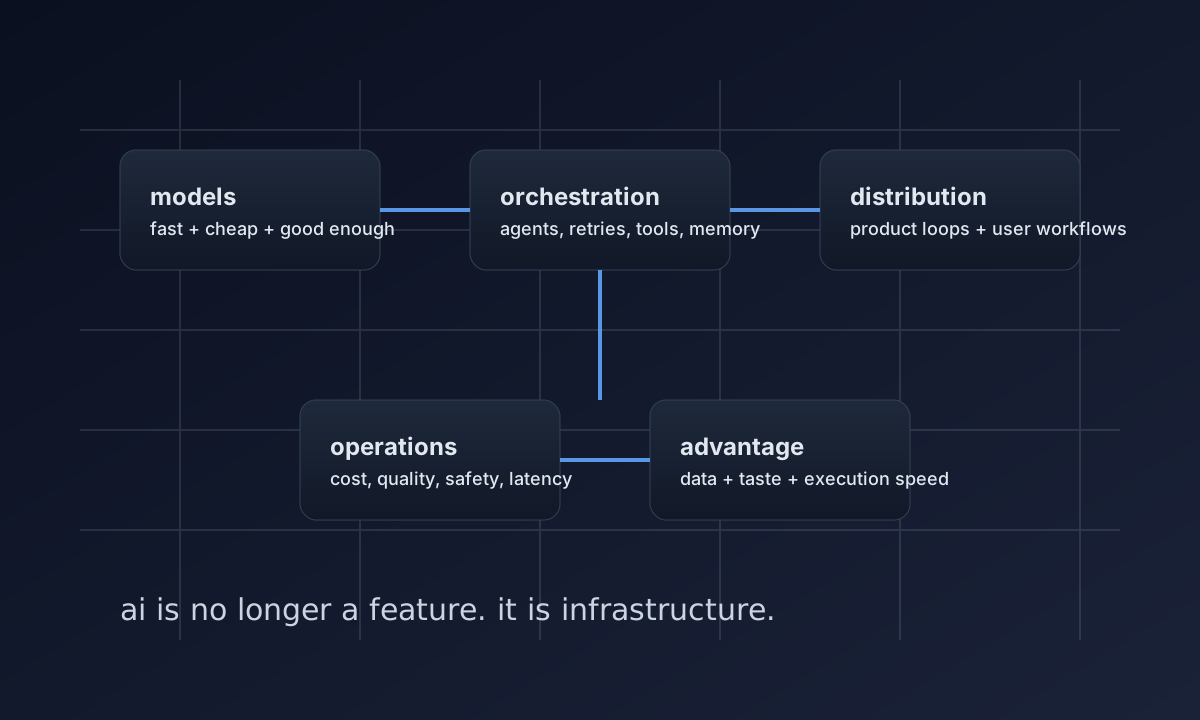
* if i had to summarize the whole moment in one line: distribution, reliability, and product taste matter more than raw model hype.
what changed (and why it matters)
the first wave of ai products was model-first. most teams asked: "which model is smartest?"
the current wave is workflow-first. strong teams ask: "where does this save real time for a real person every single day?"
that sounds obvious, but it changes everything:
- your success metric is no longer "wow quality in demo"
- your success metric is "weekly habit + trust + repeat usage"
- your moat is no longer access to model APIs
- your moat is data loops, product speed, and clear user outcomes
in other words, the winner is not the team with the fanciest prompt engineering thread. it is the team that removes the most friction from a painful workflow.
the stack most people ignore
people talk a lot about models. they should, but only a little.
in production, most failures come from everything around the model:
- bad routing logic
- no retries
- weak evaluation setup
- no fallback behavior
- no observability on output quality
- costs that explode silently
if your app feels unreliable, users leave fast.
if your app feels reliable, users forgive occasional mistakes.
that is why productized ai feels less like "prompt engineering" and more like systems engineering.
def answer_user(question: str) -> str:
    try:
        draft = call_primary_model(question, timeout_ms=5500)
        if is_low_confidence(draft):
            draft = call_secondary_model(question, timeout_ms=3500)
        return enforce_output_contract(draft)
    except Exception:
        return safe_fallback_message()
this is not glamorous code. it is the code that keeps trust alive.
speed is now compounding
the teams that feel unbeatable are not always the ones with bigger launches.
they are the ones with tighter loops:
build -> ship -> observe -> improve -> repeat.
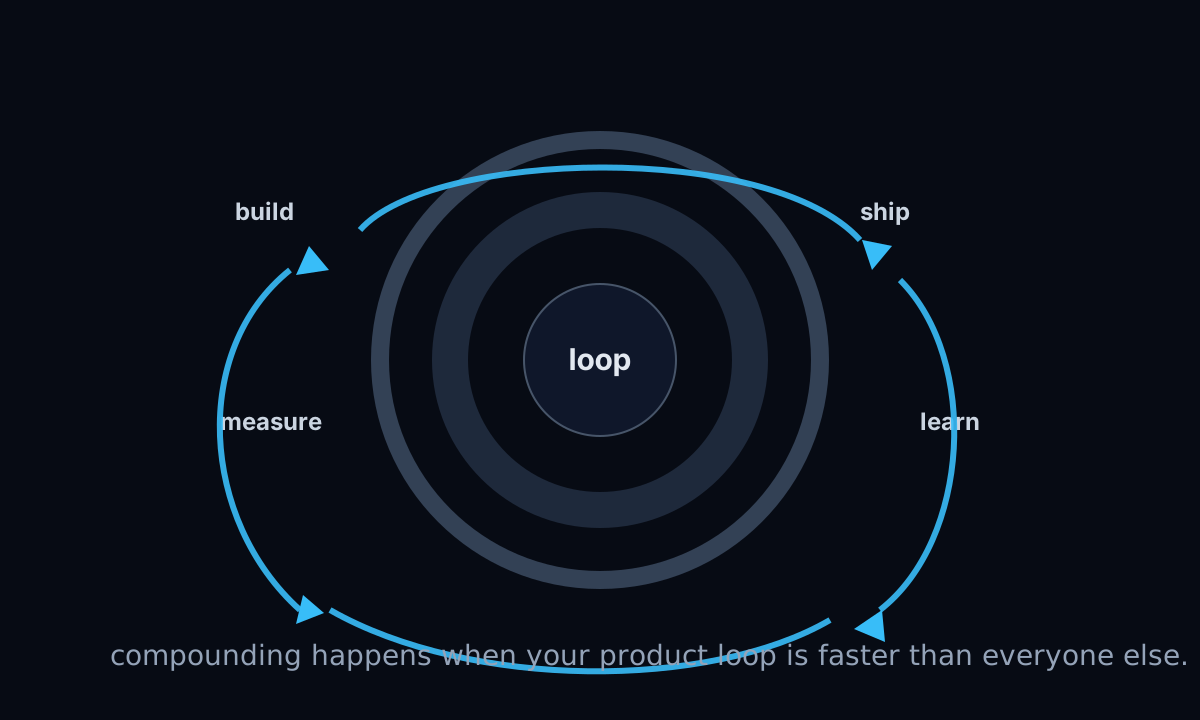
a useful way to think about it:
if you can learn one meaningful product lesson every day, you will look "lucky" in six months.
most teams underinvest in feedback systems. they gather opinions, not evidence.
the better path:
- track what users ask for
- track where they abandon
- track where outputs fail silently
- track what they copy/paste elsewhere
- track what they return for without reminders
the best ai products are not built by guessing. they are built by measured iteration.
what users actually pay for
users do not pay for ai.
they pay for:
- saved hours
- reduced stress
- higher confidence
- fewer mistakes
- faster decisions
if your product cannot point to one of these with numbers, it is still a toy.
that sounds harsh, but it is useful.
where people still get tricked
three common traps:
1) confusing intelligence with usability
an app can be objectively smart and still unusable.
if the ux is unclear, users cannot harness the intelligence anyway.
2) shipping "agent" before shipping value
autonomy is powerful, but unsafe autonomy kills trust.
start from constrained tasks where success is measurable.
3) skipping evaluation because launch pressure is high
without evals, you are flying blind.
without evals, every bug becomes a surprise.
without evals, quality regressions will appear in front of users first.
a practical playbook for builders
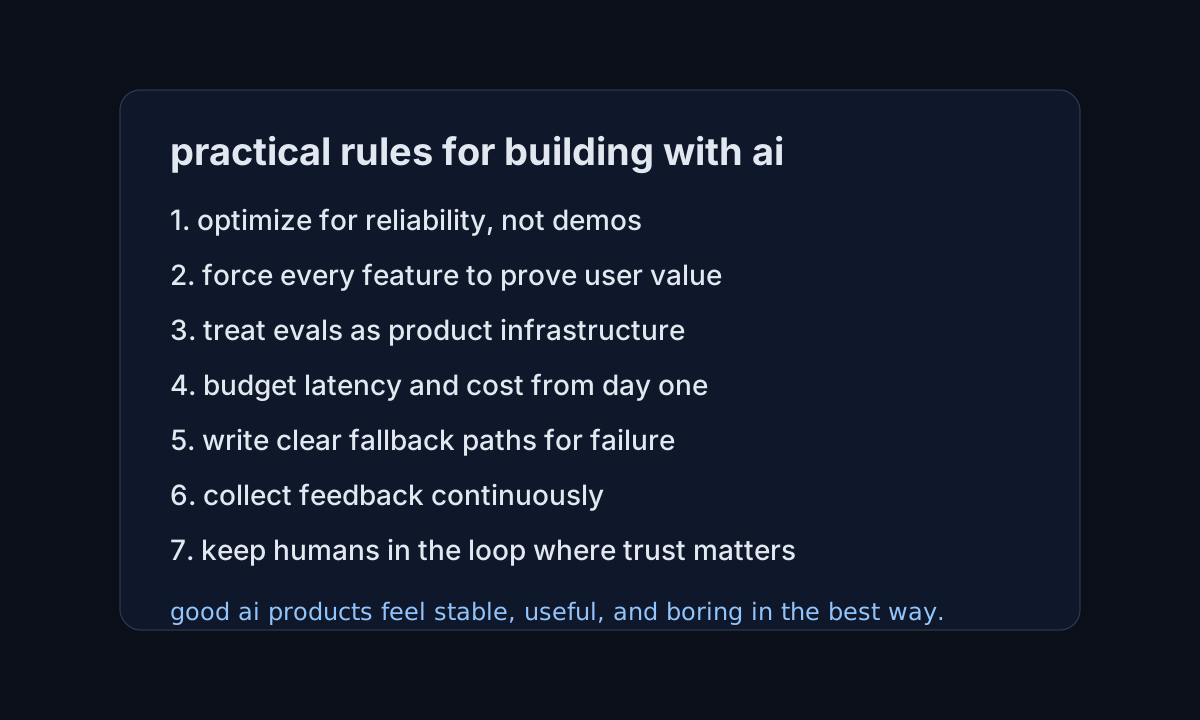
if you are building now, this is a high-leverage sequence:
- pick one painful workflow with clear ROI
- reduce user effort before adding "agentic" complexity
- instrument quality from day one
- make failure graceful and transparent
- build a small but continuous feedback loop
- ship often
- keep the product calm and predictable
here is a minimal output contract pattern i like:
{
  "task": "summarize customer call",
  "format": {
    "summary": "string",
    "risks": ["string"],
    "next_actions": ["string"]
  },
  "constraints": {
    "max_words": 220,
    "no_hallucinated_names": true
  }
}
contracts reduce ambiguity. ambiguity creates bugs.
for builders who want to learn by doing, i like this rule: ship tiny, measure real usage, then improve.
what i think happens next
the next 18 months are likely to reward teams that are:
- product-obsessed
- distribution-aware
- cost-disciplined
- technically pragmatic
the market will punish "ai theater" and reward boring reliability.
that is a good thing.
infrastructure eras are always less flashy than breakthrough eras, but they create far more durable companies.
closing thought
the most important question is not "how smart is the model?"
the better question is:
"does this product reliably make my day easier?"
if the answer is yes, users stay.
if users stay, data improves.
if data improves, quality improves.
if quality improves, distribution gets easier.
that is the compounding loop.
you do not need to predict the entire future of ai to win.
you just need to solve one real problem, reliably, for one real group of people, and improve every week.